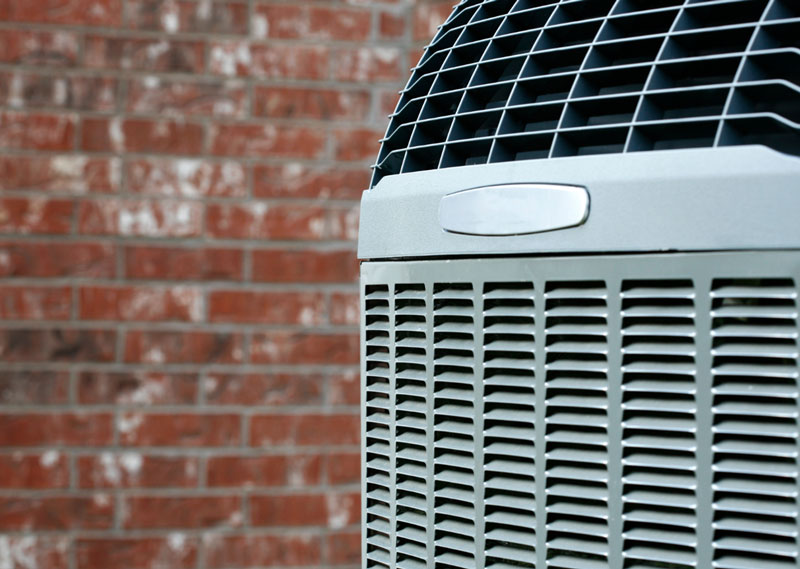
Heat pumps have become one of the more popular HVAC choices for Littleton homeowners over the past decade, and it’s easy to understand why. They handle both heating and cooling from a single system, run more efficiently than traditional furnaces in moderate temperatures, and hold up well in Colorado’s climate for most of the year. Neighborhoods like Columbine Knolls, Ken Caryl Ranch, and Heritage Hills have seen a steady uptick in heat pump installations as more homeowners look for efficient alternatives to separate heating and cooling equipment.
Like any mechanical system, heat pumps develop problems over time. Some are minor and reflect normal wear. Others point to underlying issues that get more expensive to ignore. The challenge for most homeowners is knowing which is which, and understanding what a problem actually means before deciding how to respond.
Our team works with homeowners as home service professionals throughout Littleton and across the surrounding Front Range, and heat pump service calls are a regular part of what we do. Below are five of the most common heat pump problems we see in Littleton homes, what causes them, and what the appropriate response looks like for each one.
1. The Heat Pump Is Not Heating or Cooling Effectively
A heat pump that runs but fails to bring the home to the set temperature is one of the most common complaints we hear, and it has a wide range of possible causes depending on when it happens and how severe the shortfall is.
One important thing to understand about heat pumps in Colorado is that they have a functional temperature range. As outdoor temperatures drop significantly, a heat pump’s ability to extract heat from the outside air decreases. Most standard heat pumps begin to lose efficiency below around 35 to 40 degrees Fahrenheit, and at very low temperatures they may struggle to keep up with heating demand on their own. This is normal behavior, not a malfunction, and it’s one reason many Littleton homes with heat pumps also have a backup heating source built into the system.
When inadequate heating or cooling occurs at temperatures where the system should be performing well, the likely causes include:
- Dirty or clogged air filters that restrict airflow through the system and reduce its ability to transfer heat effectively
- Refrigerant issues, including low charge from a leak, which reduces the system’s capacity to move heat
- A failing compressor that isn’t building adequate pressure in the refrigerant circuit
- Blocked or dirty coils on the outdoor unit that prevent proper heat exchange
- Duct leakage that allows conditioned air to escape before it reaches living spaces
A professional diagnosis is the right approach when the system is running but not performing. Attempting to assess refrigerant levels, compressor function, or coil condition without the proper equipment and training produces guesswork rather than answers.
2. The Outdoor Unit Is Frozen Over
Finding a layer of frost or ice on the outdoor unit of a heat pump during winter is not automatically cause for concern. Heat pumps run a normal defrost cycle specifically because some frost accumulation on the outdoor coil is expected during cold and humid conditions. The system detects the frost buildup, briefly reverses its cycle to melt it, and then returns to normal heating operation. This process is designed into how the system works.
What is a problem is an outdoor unit that is heavily encased in ice, that stays frozen for extended periods, or that ices up during moderate temperatures when conditions don’t call for it. In those situations, the defrost cycle isn’t doing its job, and the cause needs to be identified.
Common reasons a heat pump freezes beyond normal operating parameters include:
- A malfunctioning defrost control board or defrost sensor that fails to trigger the defrost cycle when needed
- Low refrigerant that causes the coil to run colder than it should
- Restricted airflow from a dirty filter, blocked return, or debris around the outdoor unit
- A failing outdoor fan motor that reduces airflow across the coil
- Water draining onto the unit from a roof edge, gutter, or downspout positioned directly above it
Heavy ice accumulation puts stress on the compressor and can cause permanent damage if the system continues to run in that condition. A heat pump that is significantly iced over should be shut down and inspected by a licensed HVAC technician rather than allowed to continue operating.
3. The System Is Making Unusual Noises
Heat pumps make noise during normal operation. The outdoor fan, the compressor, and the refrigerant moving through the system all contribute to a background level of sound that most homeowners become accustomed to. It’s the sounds that are new or different that deserve attention.
Based on what we see in Littleton homes on service calls, unusual heat pump noises tend to fall into a few recognizable patterns:
- Grinding or screeching: Often points to a motor bearing that is failing in either the indoor air handler or the outdoor fan unit. These noises tend to worsen over time and can lead to motor failure if not addressed.
- Rattling or clanking: May indicate a loose panel, a component that has worked free inside the cabinet, or debris that has entered the outdoor unit. Littleton’s wind patterns, particularly in neighborhoods closer to the foothills, can carry debris into outdoor units more readily than in more sheltered areas.
- Hissing or bubbling: A hissing sound near the refrigerant lines or the indoor unit frequently points to a refrigerant leak. Bubbling can indicate refrigerant returning to the compressor in a state it shouldn’t be in, which puts the compressor at risk.
- Loud banging at startup or shutdown: Can reflect a loose component inside the compressor or a refrigerant issue that affects how the system cycles on and off.
- Clicking that continues beyond startup: Normal heat pumps click briefly when they start and stop. Clicking that persists during operation often points to a relay or control board issue.
None of these sounds resolve on their own, and most indicate something that will cost more to repair if the system continues running in that condition. Professional heat pump repair is the right response when a heat pump starts producing sounds it wasn’t making before.
4. The System Is Short Cycling
Short cycling refers to a heat pump that turns on, runs for a very brief period, shuts off, and then starts again in rapid succession rather than completing a full heating or cooling cycle. It’s hard on the system because compressors and motors experience the most wear during startup, and a system that starts and stops repeatedly accumulates wear far faster than one running normal full cycles.
Short cycling is also ineffective from a comfort standpoint. A system that isn’t running long enough to complete a full cycle rarely brings the home to the set temperature and often leaves humidity levels uncontrolled during the cooling season.
Causes of short cycling in heat pumps include:
- An oversized system that heats or cools the space so quickly it satisfies the thermostat before a full cycle completes, a common issue in homes where equipment was replaced without proper load calculations
- Thermostat problems, including poor placement near a heat source, drafty area, or direct sunlight that causes the thermostat to misread the actual temperature of the space
- Refrigerant issues that cause the system’s safety controls to shut it down before a full cycle finishes
- Electrical problems including a failing capacitor or contactor that interrupts the compressor cycle prematurely
- Restricted airflow from dirty filters or blocked returns that triggers high-temperature safety shutoffs
A thermostat inspection and potential upgrade is sometimes the right starting point when short cycling appears to correlate with thermostat behavior. When the issue is in the system itself, a full diagnostic by a licensed technician is the appropriate next step.
5. The Heat Pump Is Running Constantly Without Reaching the Set Temperature
A heat pump that runs continuously without satisfying the thermostat is working as hard as it can and still coming up short. This is different from a system that short cycles. Here the system is running, it’s just not winning.
In Littleton, this problem most frequently appears during the coldest stretches of winter when outdoor temperatures drop into the single digits or below. As noted earlier, standard heat pumps lose efficiency at very low temperatures, and there are conditions where a system running at full capacity genuinely cannot keep up with heat loss through the building envelope. If this only happens during extreme cold and the system performs normally otherwise, the system itself may be functioning correctly. A backup heat source, additional insulation, or a heat pump with a lower cold-weather operating threshold may be worth considering.
When continuous running happens during moderate temperatures where the system should be more than capable, the problem is in the equipment or the installation:
- Refrigerant loss that has reduced system capacity over time
- Dirty coils on the outdoor or indoor unit that impair heat transfer
- Duct leakage that allows a significant portion of conditioned air to escape into unconditioned spaces like attics or crawl spaces
- A heat pump that is undersized for the actual heating or cooling load of the home
- A system approaching end of life where multiple components are running below their original efficiency
A system that runs constantly and can’t keep up is also an expensive system to operate. The electricity consumption of a heat pump that never shuts off adds up quickly on a monthly bill. Addressing the cause is almost always more cost-effective than continuing to run a system that’s struggling.
When Heat Pump Problems Point Toward Replacement
Not every heat pump problem is worth repairing. As systems age, the calculation shifts from repair cost versus doing nothing to repair cost versus the cost of a new, more efficient system that comes with a warranty and several more years of reliable service.
A useful general guideline is to compare the cost of a repair against the age and condition of the system. Heat pumps typically have a service life of 15 to 20 years with proper maintenance. A system that is 12 to 15 years old and facing a significant repair is worth evaluating more broadly. Our team handles heat pump replacement throughout Littleton and can give homeowners an honest assessment of whether repair or replacement makes more sense given the age, condition, and repair history of their specific system.
Factors that tend to favor replacement over repair include:
- A system that is more than 12 to 15 years old and facing a major component failure
- Repeated repairs over the past two to three years that suggest the system is declining broadly rather than experiencing isolated issues
- Refrigerant that is R-22, which has been phased out and is now expensive and difficult to source
- A system that has never performed well, which may point to an installation or sizing problem that a repair won’t resolve
- Significantly higher energy bills relative to comparable homes, suggesting the system is well below its rated efficiency
What Littleton Homeowners Can Do to Reduce Heat Pump Problems
The best heat pump problems are the ones that never develop. Consistent maintenance is the most reliable way to extend a system’s useful life and keep it performing efficiently through Littleton’s full heating and cooling season.
The most impactful things a homeowner can do are straightforward: change air filters on schedule, keep the area around the outdoor unit clear of debris and vegetation, make sure supply and return vents throughout the home are open and unobstructed, and schedule a professional tune-up before the heating season begins each fall.
Beyond those basics, a licensed HVAC technician performing an annual tune-up will check refrigerant charge, inspect electrical components, clean coils, test the defrost cycle, and confirm the system is operating within its designed parameters. That visit often catches small problems while they’re still small, which is where the real value of consistent maintenance shows up over time.
Keeping Your Littleton Home Comfortable Year-Round
Heat pump problems rarely resolve themselves, and most get more expensive the longer they’re left unaddressed. Whether the issue is a system that isn’t keeping up, a unit that’s icing over, noises that weren’t there last season, or a system that seems to run forever without results, the right response is a professional diagnosis from a licensed technician who knows these systems.
Salzano Services works with homeowners throughout Littleton and the surrounding Front Range, providing heat pump repair, replacement, and maintenance with the kind of upfront pricing and field experience that makes a real difference. When your system isn’t performing the way it should, contact our team today and we’ll get your home back to being comfortable.