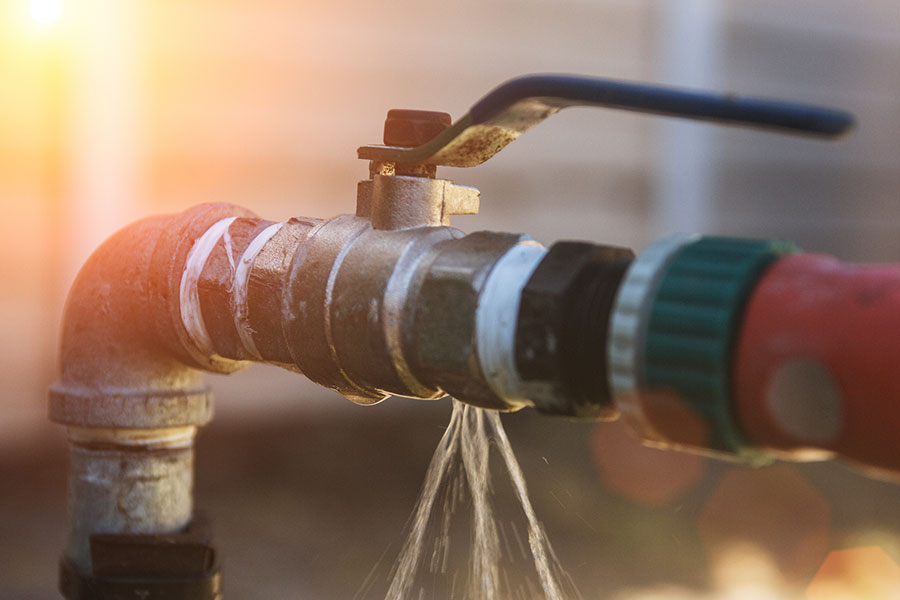
Water leaks that you can see are straightforward enough to deal with. A dripping faucet, a puddle under the sink, or a visibly running toilet all point to a clear source and a clear fix. Hidden water leaks are a different problem entirely. They develop behind walls, under floors, inside ceilings, and beneath slabs without producing any visible evidence until the damage has already been building for weeks or months.
In Denver, where homes in neighborhoods like Washington Park, Hilltop, Whittier, and the Platte Park area span a wide range of ages and plumbing configurations, hidden leaks are more common than most homeowners expect. Older homes have older pipes. Pipes that have been repaired, replaced, or rerouted over the decades carry their own set of vulnerabilities. Even newer construction isn’t immune when fittings, connections, or supply lines develop problems over time.
Our team serves homeowners as plumbing and home service professionals throughout Denver and across the Front Range, and water leak calls are among the most consequential ones we respond to. The damage a hidden leak produces grows with every day it goes undetected. Knowing the signs puts you in a position to catch these problems early, before a manageable repair becomes a major restoration project.
1. Unexplained Increases in Your Water Bill
A water bill that climbs month over month without a clear reason is one of the most consistent early indicators of a hidden leak. If your household routines haven’t changed, you haven’t added irrigation or filled a pool, and your bill is still running noticeably higher than it did at the same time last year, water is going somewhere it shouldn’t be.
The volume of water a hidden leak wastes can be significant. A small pinhole leak in a supply line inside a wall can release dozens of gallons per day. A slow leak at a fitting under a concrete slab can run continuously without producing any sound or surface sign for months. None of it shows up anywhere visible, but all of it registers on your meter and eventually your bill.
When a billing increase appears without explanation, a useful first step is to check the water meter. Turn off every fixture and appliance in the home that uses water, note the meter reading, and check it again after 30 to 60 minutes without using any water. If the meter has moved, water is leaving the system somewhere it isn’t supposed to be.
2. Water Stains or Discoloration on Walls, Ceilings, or Floors
Water stains are one of the more visible signs that a hidden leak exists, though by the time they appear the leak has typically been active for some time. Stains show up as yellow, brown, or rust-colored discoloration on drywall, ceiling tiles, or flooring materials. They often appear in irregular shapes that spread or grow over time as moisture continues to accumulate.
In Denver homes, ceiling stains below a bathroom are a common presentation. A supply line, drain connection, or wax ring that has developed a slow leak above the ceiling will let water travel along framing members and collect in the drywall below before it becomes visible. By the time a stain is apparent from below, the framing, insulation, and drywall in between may already have sustained meaningful damage.
Wall discoloration near plumbing walls, bubbling or peeling paint on interior walls, and soft or spongy spots in flooring near bathrooms or kitchens are all worth treating as potential leak indicators rather than cosmetic issues. A stain that appears, dries, and then reappears after rain can indicate a roof issue rather than plumbing, but a stain that grows steadily or appears during dry weather points toward a plumbing source.
3. Musty Odors That Won’t Go Away
Moisture trapped behind walls, under flooring, or inside ceiling cavities creates conditions where mold and mildew thrive. Both produce a distinctive musty smell that doesn’t respond to cleaning, air fresheners, or ventilation the way ordinary odors do. If a room or area of the home persistently smells damp or musty despite regular cleaning and adequate ventilation, hidden moisture is the likely explanation.
In Denver’s climate, which is generally dry, persistent indoor mustiness stands out more noticeably than it might in a more humid region. Homeowners here are accustomed to dry air, and an area of the home that consistently feels or smells damp is worth investigating rather than accepting as normal.
Musty odors are particularly common in basements and below-grade spaces, where supply lines, drain connections, and foundation penetrations are all potential sources of moisture. They also appear in bathrooms with hidden drain or supply issues, and in laundry areas where hose connections or supply valves develop slow leaks behind or beneath the appliances.
Mold remediation is significantly more involved and expensive than plumbing repair. Finding and fixing the moisture source before mold becomes established is the outcome worth working toward.
4. Sounds of Running Water When Everything Is Turned Off
A home that has no fixtures running and no appliances using water should be essentially silent from a plumbing standpoint. If you can hear the sound of water moving, dripping, or running somewhere in the house when everything is off, that sound has a source that deserves investigation.
The sounds a hidden leak produces vary depending on the type of leak, the pipe material, and what the water is moving through or against. Common descriptions include:
- A faint hissing or rushing sound coming from inside a wall, which often points to a pressurized supply line leak
- A dripping or trickling sound in a ceiling or under a floor, more common with drain line issues or condensation-related problems
- A quiet but persistent running sound that’s audible near the water heater, toilet, or under a sink even when those fixtures aren’t in use
- A intermittent gurgling from drains or walls that doesn’t correspond to fixture use
Any sound that can’t be attributed to a specific normal function of the plumbing system is worth reporting to a licensed plumber. Professional plumbing leak detection and repair uses acoustic detection equipment and other diagnostic tools to locate the source of sounds that are difficult to pinpoint by ear alone.
5. Warping, Buckling, or Soft Spots in Flooring
Flooring materials respond to sustained moisture exposure in predictable ways. Hardwood floors warp and cup when moisture absorbs into the wood from below or from the sides. Laminate flooring bubbles and delaminates. Tile grout softens and cracks. Vinyl flooring develops soft spots or separates from the subfloor. In each case, the visible change at the surface reflects moisture damage that has been developing below it.
Working in Denver homes across a range of ages and flooring types, our team regularly finds subfloor damage that traces back to slow leaks that went undetected for months. A supply line running beneath a kitchen floor, a drain connection under a bathroom, or a water heater pan that’s been overflowing in a utility closet can all produce this kind of progressive damage without producing any obvious wet surface until significant deterioration has already occurred.
Soft spots in flooring near toilets often point to a wax ring failure or a supply line issue at the base of the toilet. Warping near a dishwasher or under a kitchen sink typically points to a supply or drain connection that has been dripping slowly. In both cases, the flooring damage itself is secondary to the plumbing problem driving it, and addressing the source is the first priority.
6. Mold Growth in Unexpected Places
Mold requires three things to establish itself: a food source, the right temperature, and moisture. Drywall, wood framing, and insulation provide the food source. The interior of most homes provides the temperature. Hidden water leaks provide moisture. When all three come together inside a wall cavity or under a floor, mold can begin growing within 24 to 48 hours of a water intrusion event and will continue as long as moisture is present.
Finding mold in a bathroom or near a known water source is common enough that it doesn’t automatically indicate a hidden leak. Finding mold on a wall that has no obvious reason to be damp, on the back side of drywall removed during a renovation, in a closet adjacent to a plumbing wall, or in a basement ceiling is a different situation. Mold in those locations almost always points to a moisture source that hasn’t been identified yet.
Denver’s dry climate means that surface mold from humidity alone is less common here than in more humid regions. When mold appears in interior spaces that don’t have ventilation problems or known water exposure, a hidden leak is a more likely explanation than ambient humidity.
How Hidden Leaks Are Professionally Detected
When the signs above point toward a hidden leak but the source isn’t visible, professional detection methods are far more accurate and far less destructive than opening walls at random. Licensed plumbers use several diagnostic approaches depending on the situation:
- Pressure testing: Isolating sections of the supply system and monitoring pressure drop to confirm a leak is present and narrow down its location
- Acoustic leak detection: Using sensitive listening equipment to detect the sound of water escaping from a pressurized pipe inside a wall, floor, or slab
- Thermal imaging: Identifying temperature variations in walls and floors that indicate the presence of moisture behind finished surfaces
- Video camera inspection: Running a camera through drain lines to identify cracks, joint failures, or root intrusion in underground or inaccessible pipes
- Dye testing: Introducing a tracer dye into specific fixtures to confirm whether a toilet or other fixture is the source of water loss
These tools allow a professional to locate a leak with precision before any work begins, which means repairs are targeted rather than exploratory. The cost of a professional leak detection is almost always significantly less than the cost of repairing the collateral damage that builds up when a leak goes undetected for months.
The Role of Regular Plumbing Inspections
Hidden leaks are one of the strongest arguments for periodic professional plumbing inspections, particularly in older Denver homes. A plumbing inspection and maintenance visit gives a licensed plumber the chance to evaluate supply lines, drain connections, shut-off valves, and accessible fittings throughout the home before a problem develops rather than after.
Homes with galvanized steel supply lines, copper lines showing signs of corrosion, or original drain connections from the mid-twentieth century are carrying real risk with every passing year. An inspection that catches a compromised section of pipe before it fails is far less disruptive than the leak detection, repair, and restoration work that follows an actual failure.
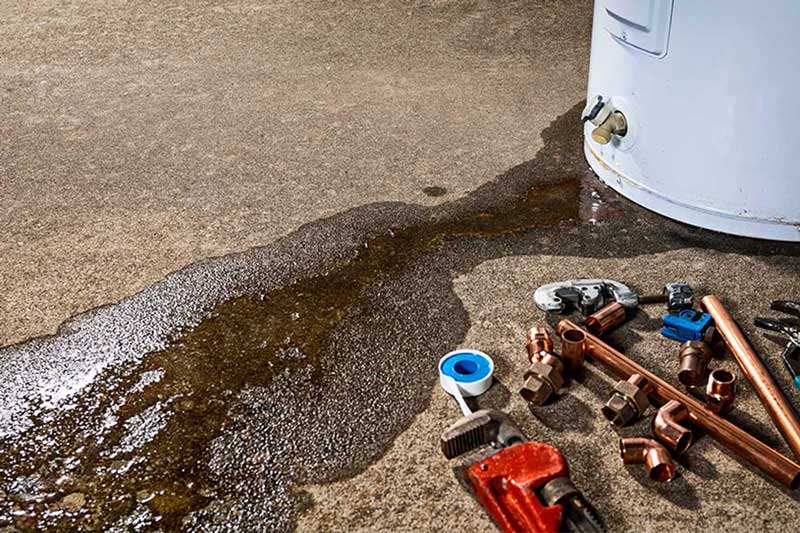
For Denver homeowners with water heaters that are approaching or past their expected service life, a water heater inspection is also worth including in that conversation. A failing water heater or corroded supply connection at the unit is a common source of hidden moisture damage in utility spaces and finished basements. Our team handles water heater services throughout the Denver area and regularly finds early-stage problems during routine service calls that would have become much larger issues if left unaddressed.
Protecting Your Denver Home From Hidden Water Damage
Hidden water leaks don’t announce themselves. They develop quietly, damage steadily, and only reveal themselves once they’ve created enough evidence to be noticed. The signs covered above give Denver homeowners a framework for recognizing when something may be wrong before the damage reaches a point where it becomes obvious on its own.
Salzano Services works with homeowners throughout Denver and across the Front Range, providing accurate leak detection, plumbing repairs, and the kind of honest assessment that helps families understand what their home needs. If any of the signs above are present in your home, or if you simply want peace of mind from a professional inspection, contact our team today and we’ll help you get to the bottom of it.