Owners of homes with dated electrical wiring must be mindful of the importance of updating systems to modern standards to ensure safety, efficiency, and peace of mind. Golden, Colorado’s rich history and many charming older homes present some of the typical challenges that come with modernizing classic homes.
Are you interested in how to update electrical wiring in an old house? Read on for some critical information from the best electrician in Golden, CO, Salzano Services.
Assessing the Current Wiring System
A professional electrician thoroughly assesses an older home’s current wiring system before any work begins. Wiring in older structures is often frayed, undersized, or simply not up to current codes.
Outdated wiring systems often cannot adequately or safely handle the load imposed by modern appliances and electronics, leading to circuit overloads, blown fuses, and increased risk of shocks and electrical fires.
Homeowners often notice wiring problems through flickering or dimming lights when appliances run, crackling or buzzing sounds from outlets, or frequently tripping breakers or blown fuses.
A professional electrician will inspect these issues and use modern diagnostic technology to evaluate the condition of your wiring.
The Rewiring Process
Rewiring an old home is a detailed and multi-step process that requires careful planning and expert execution. These are the steps an expert electrician follows when considering how to update electrical wiring in an old house.
Initial Assessment and Planning
After the initial assessment described above, an electrician determines which components and wiring to replace. The rewiring plan involves completely mapping the current system and designing where and what updates or wiring replacements to install.
Choosing the Right Materials
Modern wiring systems use copper wiring to replace outdated aluminum wiring. Copper is more durable, safe, and efficient. It is less likely to corrode or overheat than aluminum and is a superior electrical conductor.
Modern outlets and electrical panels using ground fault circuit interrupters (GCFIs) and arc fault circuit interrupters (AFCIs) are now the industry and electrical wiring safety code standards.
Installation Process
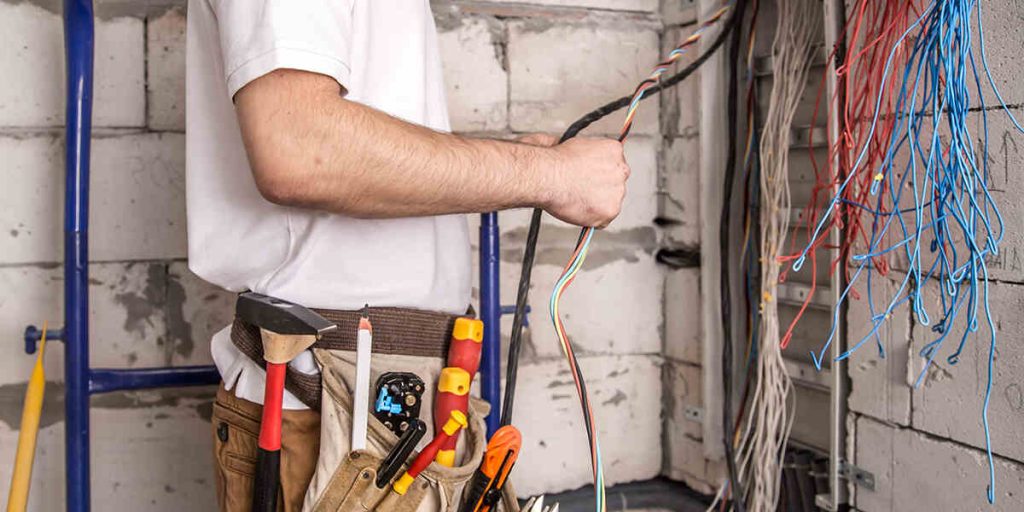
New wiring is carefully routed through walls, ceilings, and floors to replace old wiring. The installation also normally includes new switches and outlets and an electrical panel upgrade. An expert electrician ensures all procedures and materials meet professional standards and applicable codes.
Testing and Final Inspection
After completing installation according to the detailed plan, the electrician performs comprehensive testing to ensure everything functions safely and correctly. The electrician tests every circuit and connection for proper load handling and to prevent potential safety hazards.
The final inspection process certifies that your home is safe and ready to handle modern electrical demands.
Benefits of Updating Electrical Wiring
There are numerous benefits to updating the electrical wiring in older structures in Golden, including:
- Improved safety. Outdated and worn-out wiring presents significant personal safety and fire hazards. Wiring system upgrades substantially reduce that risk and protect your family and property.
- Enhanced electrical efficiency. Today’s households present much more intensive and complex electrical demands than those of decades past. A modern electrical system will mean fewer outages, more reliable service, and the power to run multiple appliances simultaneously without functional issues.
- Increased property value. Potential buyers are much more likely to show interest in a home with a modern and safe electrical system.
- Peace of mind. Upgrading your Golden home’s electrical system will allow you to focus on enjoying its historical charm without worrying about managing electrical loads.
Why You Should Hire an Expert Licensed Electrician in Golden, CO
Rely on professionals who know how to update electrical wiring in an old house safely and effectively. Rewiring any structure is not a do-it-yourself project. Electrical work is dangerous and requires experience and skill for safe and competent rewiring work.
For modernization that is functional and meets electrical and safety codes, you need to rely on a company that employs qualified, experienced, and licensed expert electricians.
Rely on Salzano Services for Expert Electrician Services in Golden, CO
Updating wiring in an older home is much more than a matter of convenience — although it is undoubtedly that, as well. It’s also a critical step to ensure safety and complete functionality for the years ahead.
Salzano Services provides comprehensive electrical services for all buildings, from new construction to classic homes that are overdue for upgrades. We perform complete house rewiring, electrical panel repair and replacement, and all other professional home services.
Now that you know more about how to update electrical wiring in an old house, contact Salzano Services online or by calling 303-273-9988 to discuss the service you need to update your home in Golden, CO.