As more and more people switch to cost-efficient, eco-friendly electric vehicles, the demand for EV chargers grows. If the convenience of charging your car at home appeals to you, you may ask, “Do I need a permit to install an EV charger?”
Quick answer: yes, you do. Our top electricians in Erie, CO, can walk you through the steps of applying for an electrical permit and setting up a home EV charger.
Types of EV Chargers and Charging Times
Charging times are often the main challenge drivers face when switching to an EV. If you use a Level 1 charger plugged into a standard 120-volt household outlet, charging from empty could take over 40 hours. However, overnight Level 1 charging may be enough to get you through the day if you only drive around town.
If you want to fill up your battery faster, you’ll need a Level 2 charger. This type of charger uses a 220-volt outlet and may charge from empty to full in 4-10 hours, which makes it ideal for overnight charging. You’ll often find Level 2 charging stations in public parking lots. You can also install one in your garage.
A Level 3, or DCFC charger, provides the fastest available charging for EVs. It can fill up an empty EV battery in 20 minutes. This lightning-quick charging may be pricey, but it’s a great solution when you need to get back on the road fast.
Overall, Level 2 chargers provide the optimal balance between efficiency and price for EV owners.
Why Do You Need a Permit To Install an EV Charger?
Local jurisdictions usually require an electrical permit for Level 2 (and certainly Level 3) EV chargers. If you ask, “Why do I need a permit to install an EV charger?” consider that any shortcuts in electrical work can create a major hazard. Municipalities must verify that all new EV charger setups follow the appropriate safety regulations.
While applying for a permit may seem tedious, this step ensures that your in-home charging station will work properly and won’t put you at risk of an electrical fire. Moreover, having all the paperwork in order clears you if you ever need to file a fire damage claim with your homeowners’ insurance.
An EV charger installation permit could also support you in liability disputes, for example, if a contractor you hire for the project causes an accident. Finally, if you put your home on the market, you may need to show that your EV charger complies with local building codes.
In Colorado, EV charging system permits follow House Bill 24-1173, which regulates EV charger installations in municipalities that house 10,000 or more people.
Do I Need a Permit To Install an EV Charger in Erie, CO?
Yes. Like other jurisdictions, Erie, CO, has an application process for those who want to install a Level 2 EV charger at home. You can apply for a permit through the town’s website.
Once your EV charger is in place, you must schedule an inspection to show that your new charging station complies with building regulations and safety standards. The entire process is fairly low-hassle when you work with a licensed local electrician who knows the ropes.
How Much Does It Cost To Install an EV Charger?
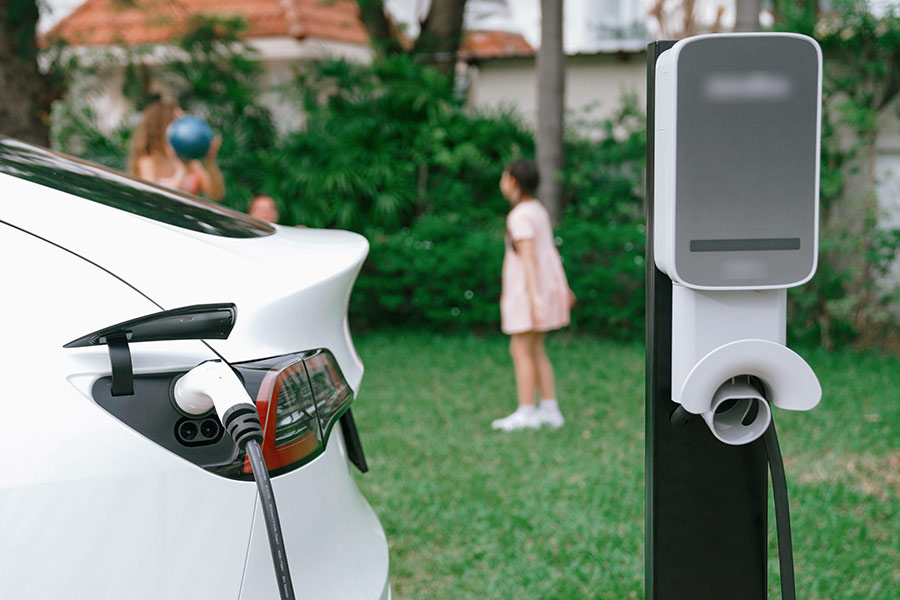
The charger brand, installation costs, and any associated electrical work will all impact the price tag of installing a home EV charger in Erie, CO. You may expect to pay an amount in the range of $1,200-$1,800, not counting any available rebates or incentives.
Setting up an EV charging station may cost hundreds or even thousands of dollars more if:
- You need to upgrade your electrical panel or add a load management device
- You’re installing a pedestal-mounted station that involves pouring concrete rather than a basic wall-mounted charger
- You want to place your EV charger in a detached garage and need to run wiring underground
Setting up a Level 2 EV charger usually takes a couple of hours, but complex installations may require more time. Make sure you work with an honest and reputable electrician who gives you a transparent quote and lets you know how much time the project will take.
Planning To Install an EV Charger in Erie, CO? Call Salzano Services
Are you wondering, “Do I need a permit to install an EV charger?” Contact us at Salzano Services for reliable at-home EV charging solutions.
Our licensed electricians also provide indoor lighting installation, hot tub wiring, and other highly rated electrical services in full compliance with building codes and inspection requirements in Erie, CO. Request a quote today.