
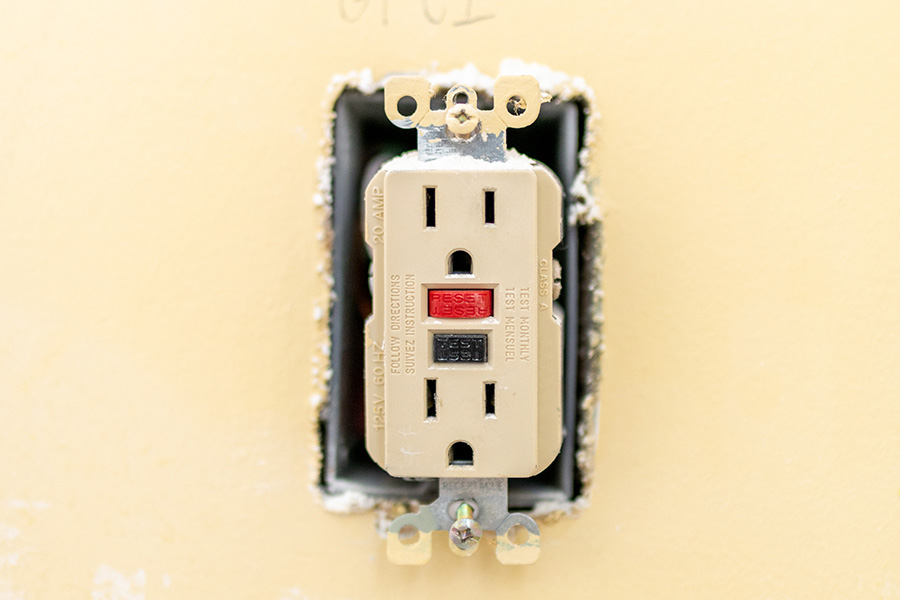
When it comes to enhancing your home’s electrical safety, it’s wise to take into account a few simple improvements. Installing GFCI outlets in key areas can make a significant difference. You might wonder how to choose the best spots or what tools you’ll need for the job. Let’s explore practical tips that can help guarantee your installations are both safe and effective.
Understanding GFCI Outlets and Their Importance
GFCI outlets, or Ground Fault Circuit Interrupters, play an important role in electrical safety, especially in areas prone to moisture like kitchens and bathrooms.
They’re designed to detect ground faults, which occur when electricity escapes the intended circuit. If a fault is detected, GFCI outlets cut off power in milliseconds, reducing the risk of electric shock. This rapid response is vital in preventing accidents, particularly in homes with children or elderly residents.
Installing GFCI outlets isn’t just a good idea; it’s often required by electrical codes in specific locations. By having these outlets in your home, you’re actively protecting yourself and your family from potential hazards. Additionally, professional GFCI installation services help ensure that these outlets are installed correctly for maximum safety and compliance.
Remember to test your GFCI outlets monthly to verify they work correctly. Regular checks guarantee that your safety measures remain effective. Understanding the importance of GFCI outlets is your first step toward creating a safer living environment.
Choosing the Right Location for GFCI Installation
When planning GFCI installations, it’s crucial to contemplate where these outlets will provide the most protection.
You’ll want to focus on areas where water and electricity might meet, as these are high-risk zones.
Consider these key locations:
- Kitchens: Install GFCIs near sinks and countertops to safeguard against spills.
- Bathrooms: Protect outlets near sinks or bathtubs to prevent shock hazards.
- Basements: Verify outlets are GFCI-equipped, especially in areas prone to moisture.
- Outdoors: Place GFCIs for exterior outlets to protect against rain or snow.
Additionally, ensure that your outlets comply with proper installation and safety compliance to enhance overall electrical safety.
Tools and Materials Needed for GFCI Installation
After identifying the best locations for your GFCI installations, it’s time to gather the right tools and materials.
You’ll need a GFCI outlet or breaker, which is essential for providing the safety features you want. Grab a screwdriver set—both flathead and Phillips—to help with the wiring process. A voltage tester is vital for ensuring safety, so don’t skip that.
You’ll also want wire strippers to prepare your electrical wires properly. Don’t forget a pair of pliers for gripping and twisting wires, and electrical tape to secure connections. A flashlight can be handy for illuminating dark spaces while you work.
Finally, keep a circuit tester on hand to confirm your installation’s functionality. With these tools and materials ready, you’ll set yourself up for a successful and safe GFCI installation. Additionally, ensure compliance with the latest safety standards to enhance electrical safety during your installation.
Step-by-Step Guide to Installing GFCI Outlets
Installing GFCI outlets can enhance the safety of your home, and following a step-by-step guide makes the process manageable. Here’s how to do it:
- Turn off the power: Switch off the circuit breaker to avoid any electrical shock.
- Remove the existing outlet: Unscrew the outlet cover and detach the old outlet from the wall.
- Connect the GFCI outlet: Attach the wires to the GFCI outlet using the corresponding terminals—black to brass, white to silver, and ground to green.
- Test the outlet: After securing the outlet in the wall, restore power and press the “Test” button to verify it functions correctly.
- Regularly checking your GFCI outlets can prevent potential hazards and ensure compliance with electrical safety codes.
Common Mistakes to Avoid During GFCI Installation
While it might seem straightforward, installing GFCI outlets can lead to common pitfalls if you’re not careful. One major mistake is failing to turn off the power at the circuit breaker before starting the installation. This can result in serious shock hazards.
Another issue is miswiring the outlet; make sure you connect the line and load wires correctly to guarantee GFCI protection.
Don’t forget to check the outlet’s rating. Using a GFCI rated for lower amperage can cause tripping issues.
Additionally, neglecting to test the outlet after installation is a big oversight. Always press the “Test” button and confirm it trips the outlet as expected.
Lastly, remember to secure the outlet properly in the box and use the appropriate cover plate. By avoiding these common mistakes, you’ll enhance safety and guarantee your GFCI installation is effective.

Conclusion
To sum up, installing GFCI outlets is a smart move for enhancing electrical safety in your Denver, CO, home. Did you know that GFCI outlets can reduce the risk of electrical shock by up to 80%? By prioritizing their installation in moisture-prone areas and regularly testing them, you can protect your family from potential hazards. So grab your tools and get started—your home’s safety is worth the effort!